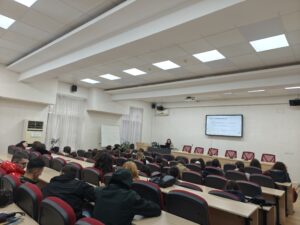
🎓 Training for FFL-UT Students: “How to Design a Project for Youth”
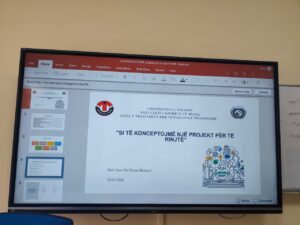
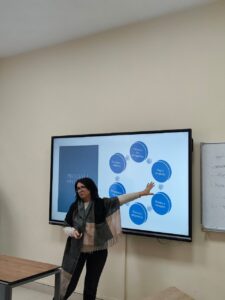
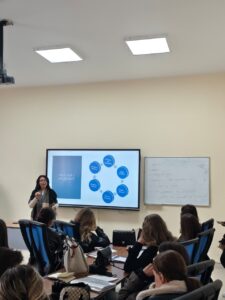
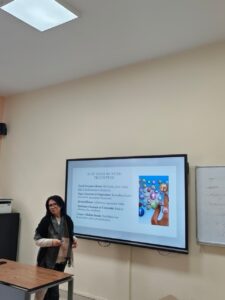
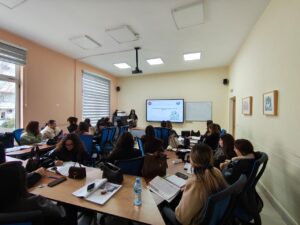
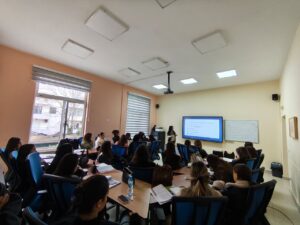
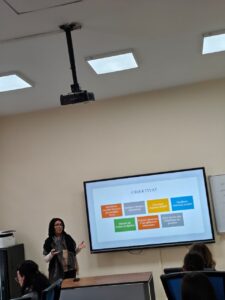
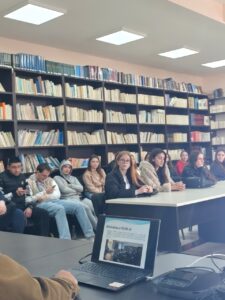
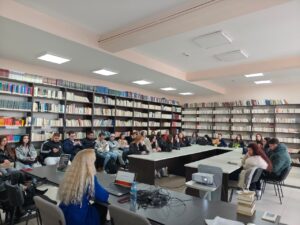
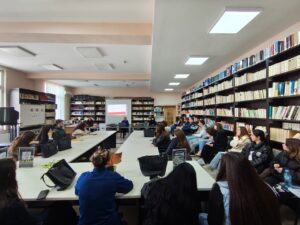
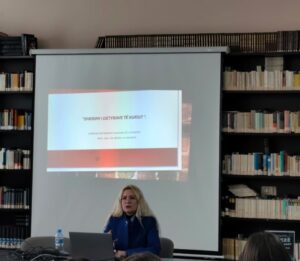
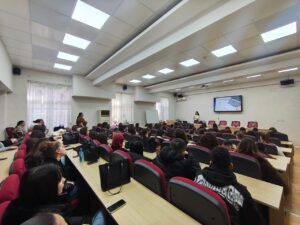
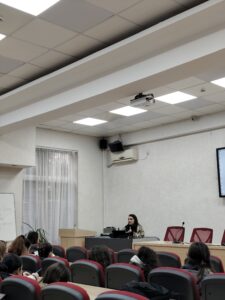
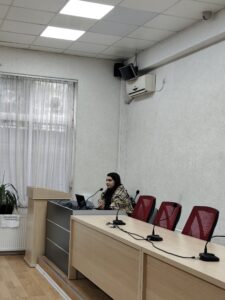
As part of encouraging the active participation of young people and developing their capacities to design initiatives with an impact on the community, the Training and Pedagogical Innovation Unit at the Faculty of Foreign Languages, University of Tirana (FGJH-UT), organized a training session for the Faculty’s students titled “How to Design a Project for Youth”, delivered by Assoc. Prof. Dr. Elvana Shtëpani.
The aim of this activity was to equip students with theoretical and practical knowledge about the process of designing and developing youth-oriented projects. During the training, the basic principles of the project management cycle were addressed, including identifying the needs and challenges affecting young people, formulating clear objectives, planning activities, and evaluating the results and impact of projects within the community.
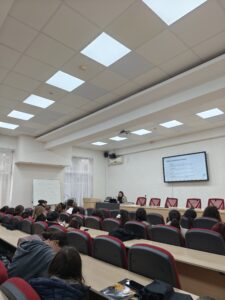
Through an interactive approach and open discussions, students had the opportunity to reflect on the importance of their involvement in development initiatives and on the role they can play in addressing the social challenges faced by their communities.
This training aims to empower young people by equipping them with the knowledge and skills necessary to design and develop projects that promote civic engagement, social innovation, and sustainable development in the community.

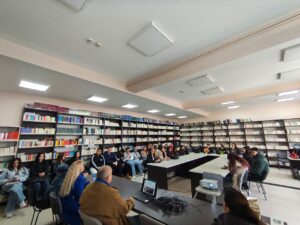
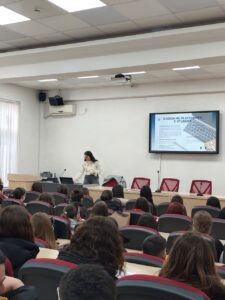
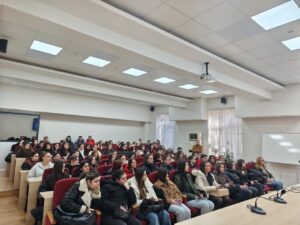
Within the framework of its commitment to enhancing academic quality and developing students’ research competencies, the Training and Pedagogical Innovation Branch organized a dedicated training session for students entitled “Academic Writing and the Use of Digital Library Resources”, delivered by Assoc.Prof.Dr. Migena Alimehmeti, and the chairpersons of the Faculty of Foreign Languages Library, Mr. Viktor Bakillari and Ms. Julinda Lamaj.
The training aimed to strengthen students’ skills in the preparation of academic papers in accordance with contemporary scientific standards, with particular emphasis on the methodological structuring of texts, the development of academic argumentation, accurate citation of sources, and adherence to research ethics.
During the activity, methods and best practices for conducting systematic literature searches in digital libraries and academic databases were presented, along with techniques for the selection, evaluation and management of reliable scholarly sources. The interactive format of the training created space for discussion, questions and the analysis of practical cases, making the learning process more applicable and engaging for students.
This activity represents an important step toward reinforcing academic culture and advancing the professional preparation of students, in line with higher education standards and requirements.

Within the framework of supporting students’ continuous professional development, the Training and Pedagogical Innovation Branch, in collaboration with the Career Counseling Office at the Faculty of Foreign Languages, represented by Ms. Hesiona Berhomi, organized a dedicated training session for students entitled: “How to Draft a Professional CV and an Effective Cover Letter”. The session featured Ms. Joniada Hito from the Career Counseling Office, Municipality of Tirana.
The purpose of this activity was to strengthen students’ competencies in preparing high-quality professional documents, in accordance with current labor market standards and requirements💼✨.
During the training, key elements of CV structuring were addressed, including effective strategies for presenting skills, experience, and achievements, as well as the importance of tailoring the cover letter to the specific position applied for.
Through interactive discussions, analysis of concrete examples, and practical guidance, students gained greater clarity and confidence in the job and internship application process.
This training represents an important step toward empowering young people to build their professional profiles and to position themselves successfully in the labor market🌍💡.
Click the link to see moments from the training: https://www.facebook.com/share/r/1HgJ2nKUbw/
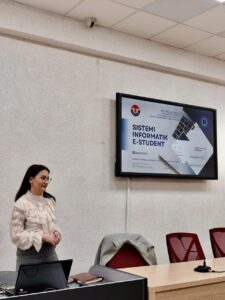
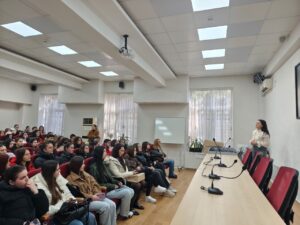
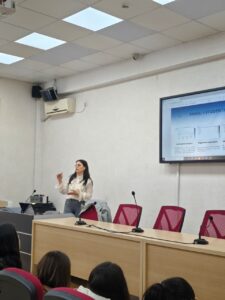
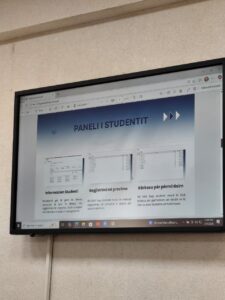
Within the framework of improving students’ digital skills and increasing the efficiency in the use of academic electronic services, the Training and Pedagogical Innovation Branch, in cooperation with the Information Technology Branch at the Faculty of Foreign Languages, organized a dedicated training session for the faculty’s students on the topic:
“Use of the e-Student Information System and Access to Literature Resources from the Digital Library of the Faculty of Foreign Languages.” 📚
The training aimed to familiarize and guide students with the main functionalities of the e-Student information system, including access to academic data, use of online services, and facilitation of communication between students and administrative support staff. Particular attention was also paid to the effective use of electronic resources and academic databases provided by the Faculty’s Digital Library.
During the activity, practical aspects related to system access, exam registration, grade improvement, appeal procedures, personal data management, exam history, as well as financial information were addressed 📝.
This training contributes to enhancing students’ digital competencies, encouraging the use of reliable academic resources, and supporting the teaching, learning, and research processes, by helping students make the most effective use of the digital services offered by the Faculty of Foreign Languages.

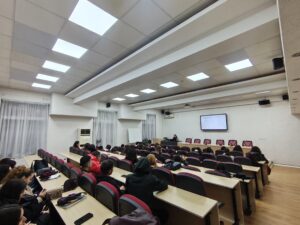
Within the framework of student support activities, the Training and Pedagogical Innovation Branch, in cooperation with the Psychologist’s Office at the Faculty of Foreign Languages, organized a training session entitled:
🧠 “Stress and Anxiety Management During the Examination Period: Effective Use of Techniques for Emotional Regulation”.
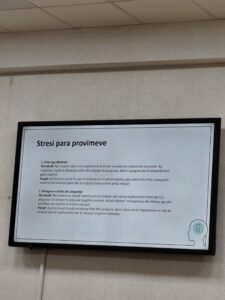
The purpose of this activity was to inform and raise students’ awareness of the impact of stress and anxiety on the learning process and academic performance, as well as to provide practical and applicable techniques for managing them during the examination period.
The training was conducted in the form of an interactive discussion, creating an open space for communication in which students had the opportunity to express their thoughts, feelings, and concerns ahead of the examination period, as well as to share their personal experiences.
During the training, the following topics were addressed:
✔️ recognition and early identification of stress and anxiety indicators;
✔️ development of skills to improve concentration, self-regulation, and emotional stability;
✔️ application of simple, practical, and effective techniques for managing stress and anxiety
This activity contributes to the promotion of mental well-being in the university environment by encouraging the development of self-regulation skills and equipping students with valuable tools to address academic and emotional challenges.