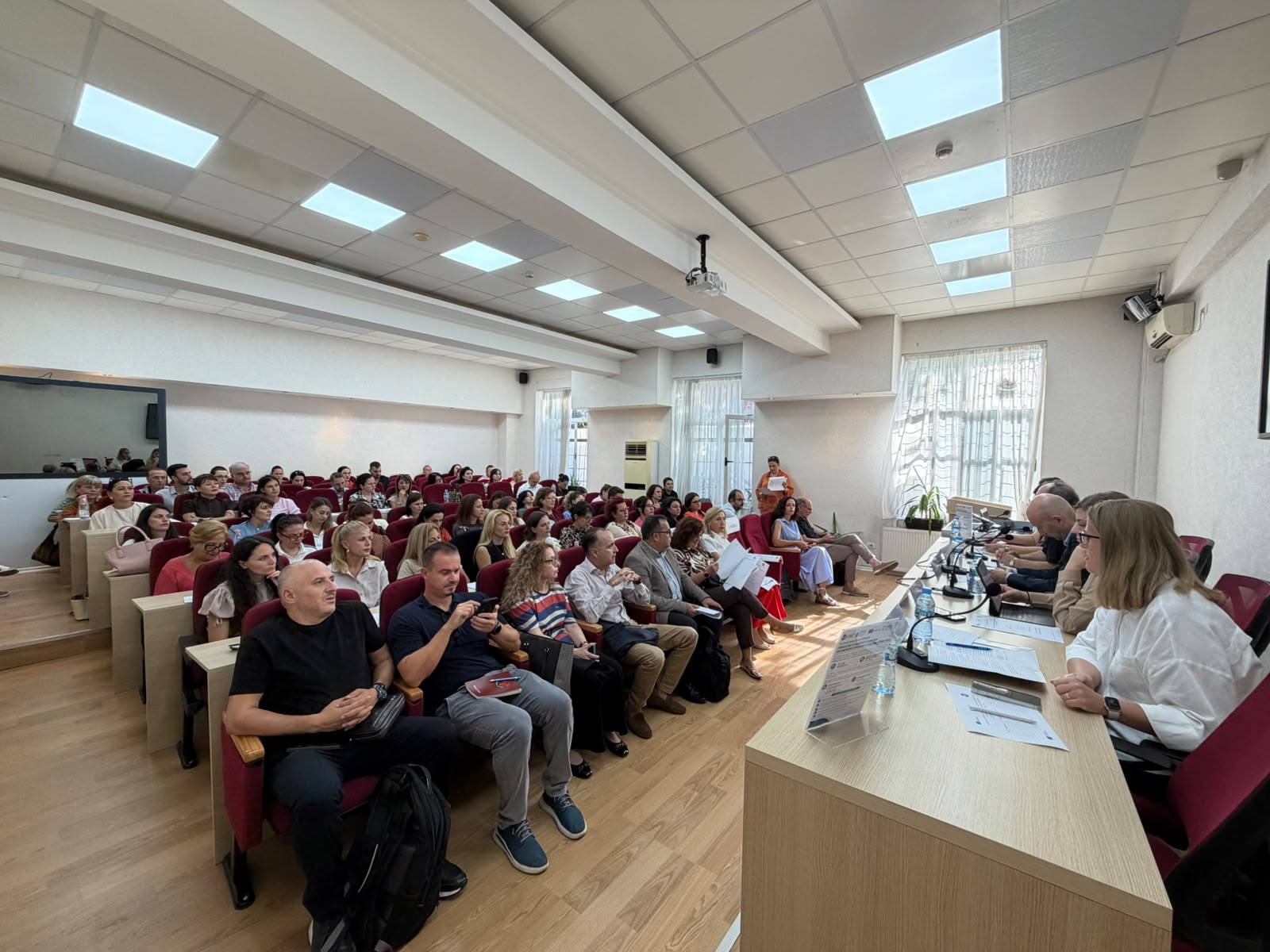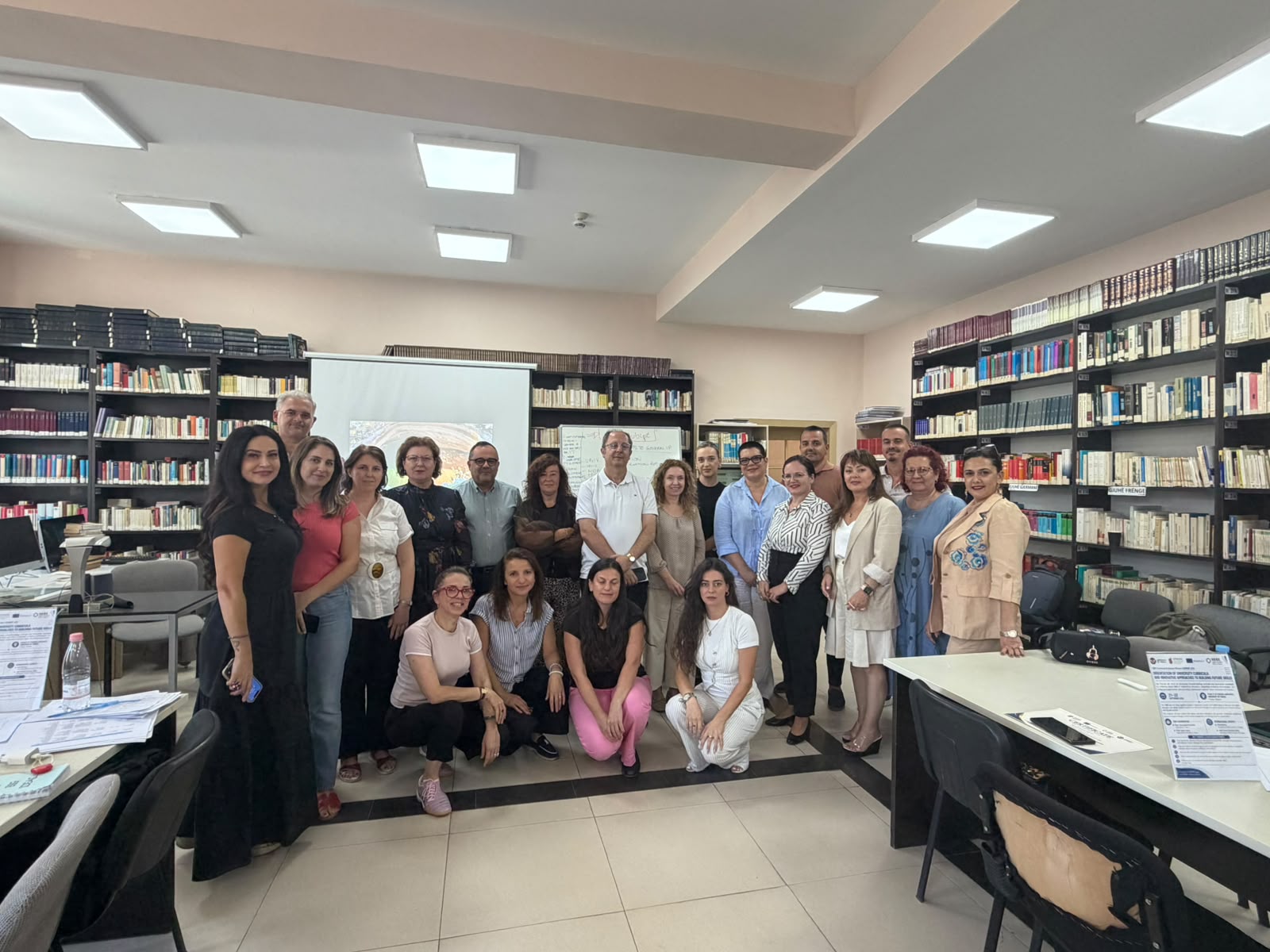

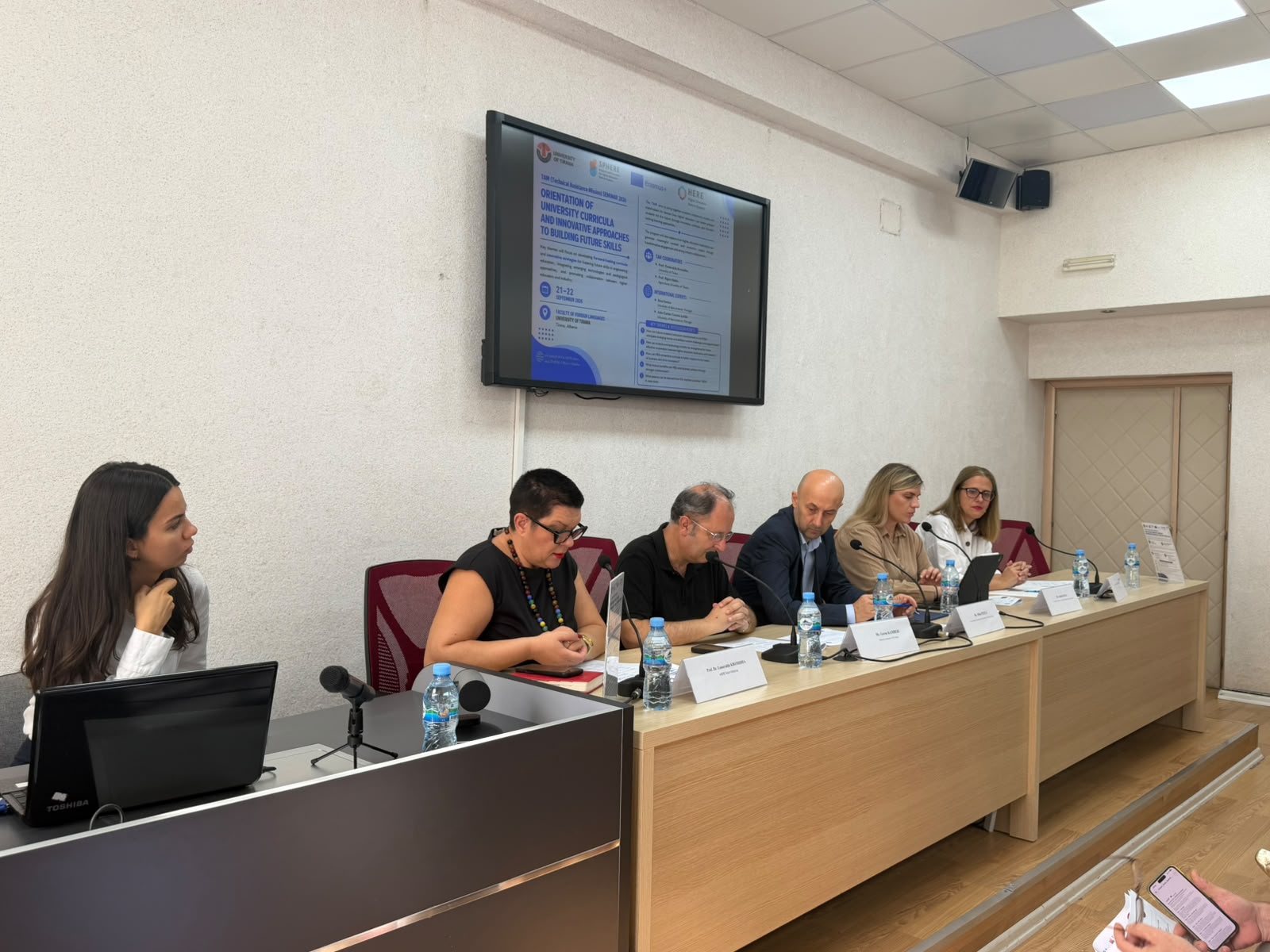
The National HERE (Higher Education Reform Experts) Seminar, entitled “Orientation of University Curricula and Innovative Approaches to Building Future Skills” and focused on “Science and Technology Transfer”, concluded successfully.
The seminar took place on 21–22 September 2026 at the Faculty of Foreign Languages, University of Tirana, in the “Evropa” Hall and the “Rozafa” Library. It was organised with the involvement of Prof. Dr. Esmeralda Kromidha, Dean of the Faculty of Foreign Languages and a member of HERE Team Albania.
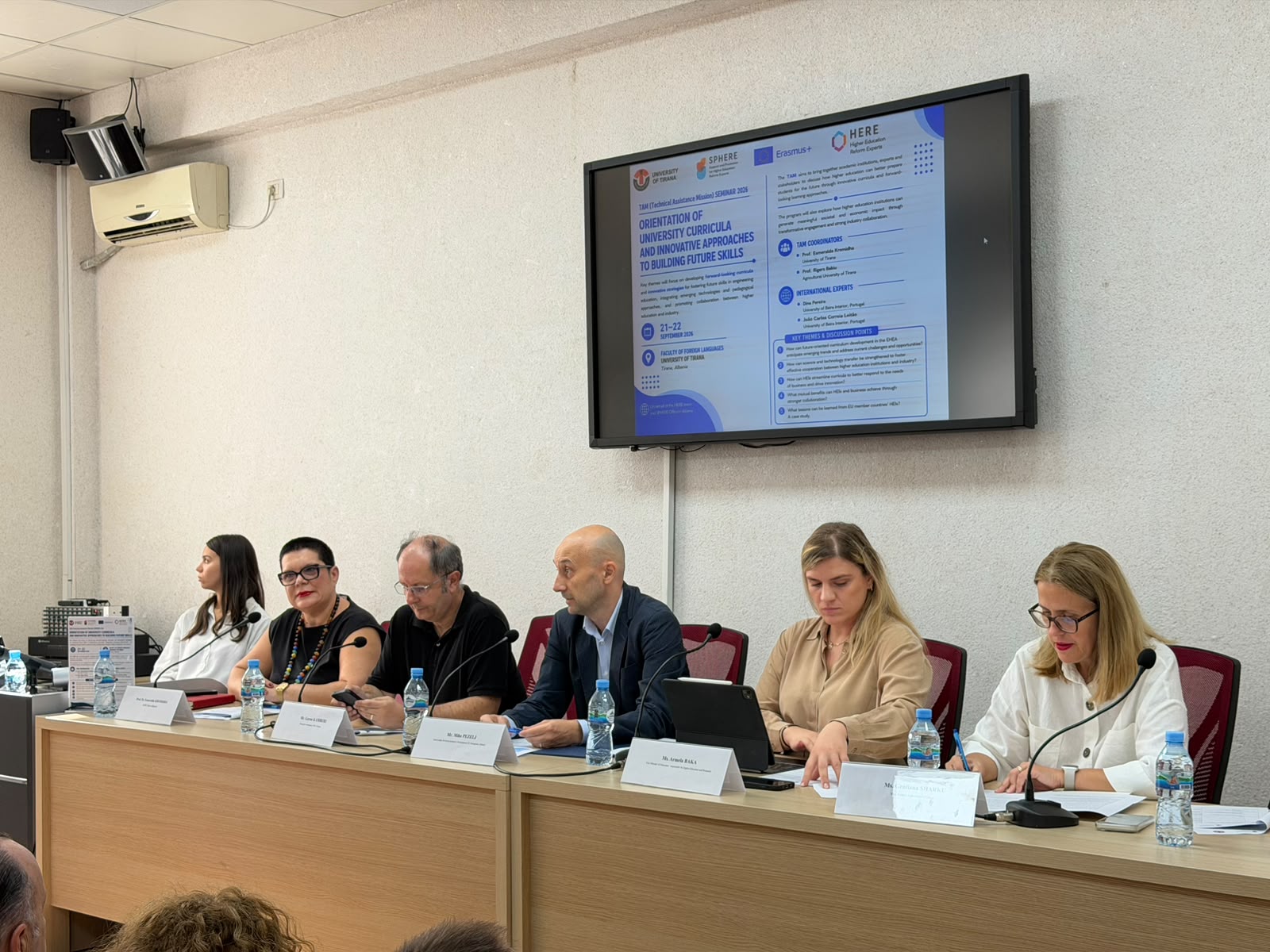
Opening remarks were delivered by:
- Prof. Dr. Esmeralda Kromidha, Dean of the Faculty of Foreign Languages and member of HERE Team Albania;
- Ms Armela Baka, Deputy Minister of Education responsible for higher education and scientific research;
- Mr Miha Pezelj, Head of the Socio-Economic Development Team at the Delegation of the European Union to Albania;
- Mr Geron Kamberi, National Coordinator of the National Erasmus+ Office in Albania;
- Ms Gentiana Sharku, Vice-Rector of the University of Tirana.
During the seminar, Mr Robert Dumi, Director of the Directorate of International Programmes at the National Agency for Scientific Research and Innovation, presented the National Technology and Innovation Programme as a funding opportunity for joint projects between academia and business.
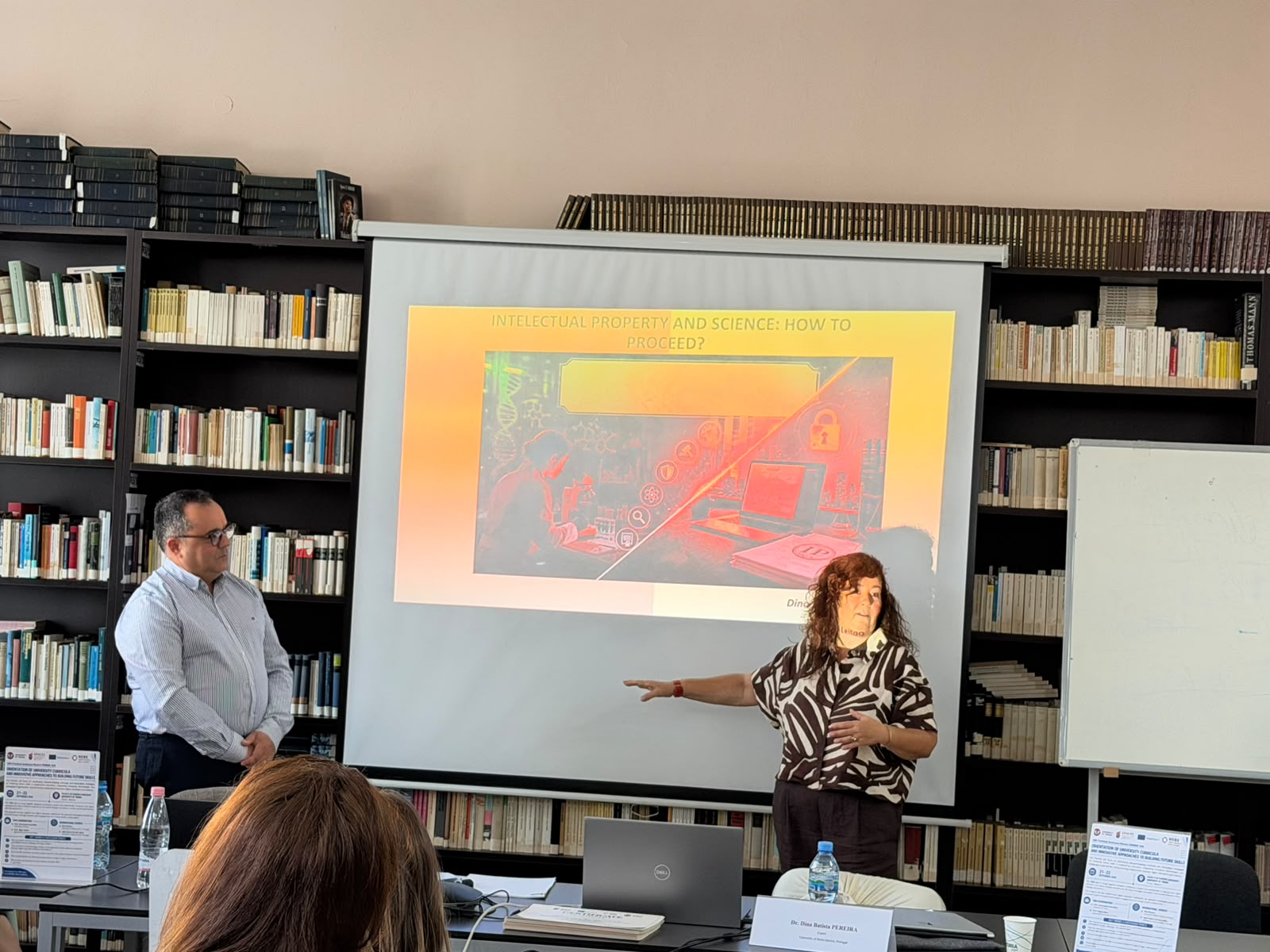
Ms Gentiana Bardhi, a representative of the General Directorate of Industrial Property, discussed the legal and institutional framework for protecting intellectual property in Albania, with particular attention to patenting inventions arising from scientific research.
The seminar’s experts were:
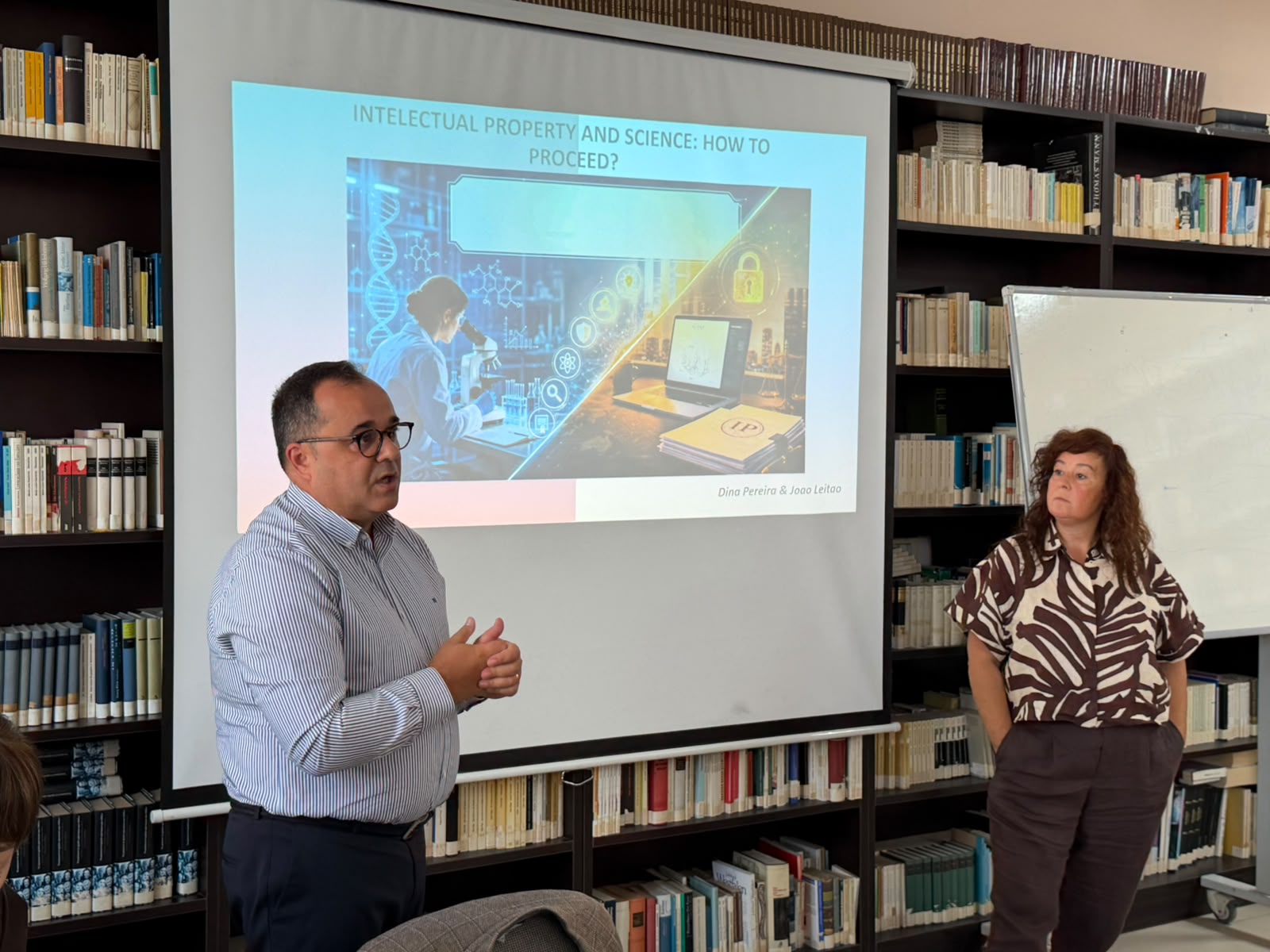
- Dr Dina Batista Pereira, an expert in entrepreneurship, innovation, knowledge transfer and management;
- Assoc. Prof. Dr. João Carlos Correia Leitão, Vice-Rector of the University of Beira Interior, Portugal, and an expert in economics, entrepreneurship, innovation and regional development.
Special thanks go to the experts, whose presentations highlighted the importance of patents in protecting inventions and innovative research results. Intellectual property protection enables researchers and institutions to retain rights over their creations and creates opportunities to use, license or further develop them in cooperation with the private sector.
A central theme of the seminar was the need to build a lasting bridge between scientific research and its practical application. Universities need dedicated structures and specialists who can guide researchers from the development of an idea, through its protection by patent, to its transfer to the market. In this way, research results can become products, technologies and solutions with a tangible impact on society and the economy.
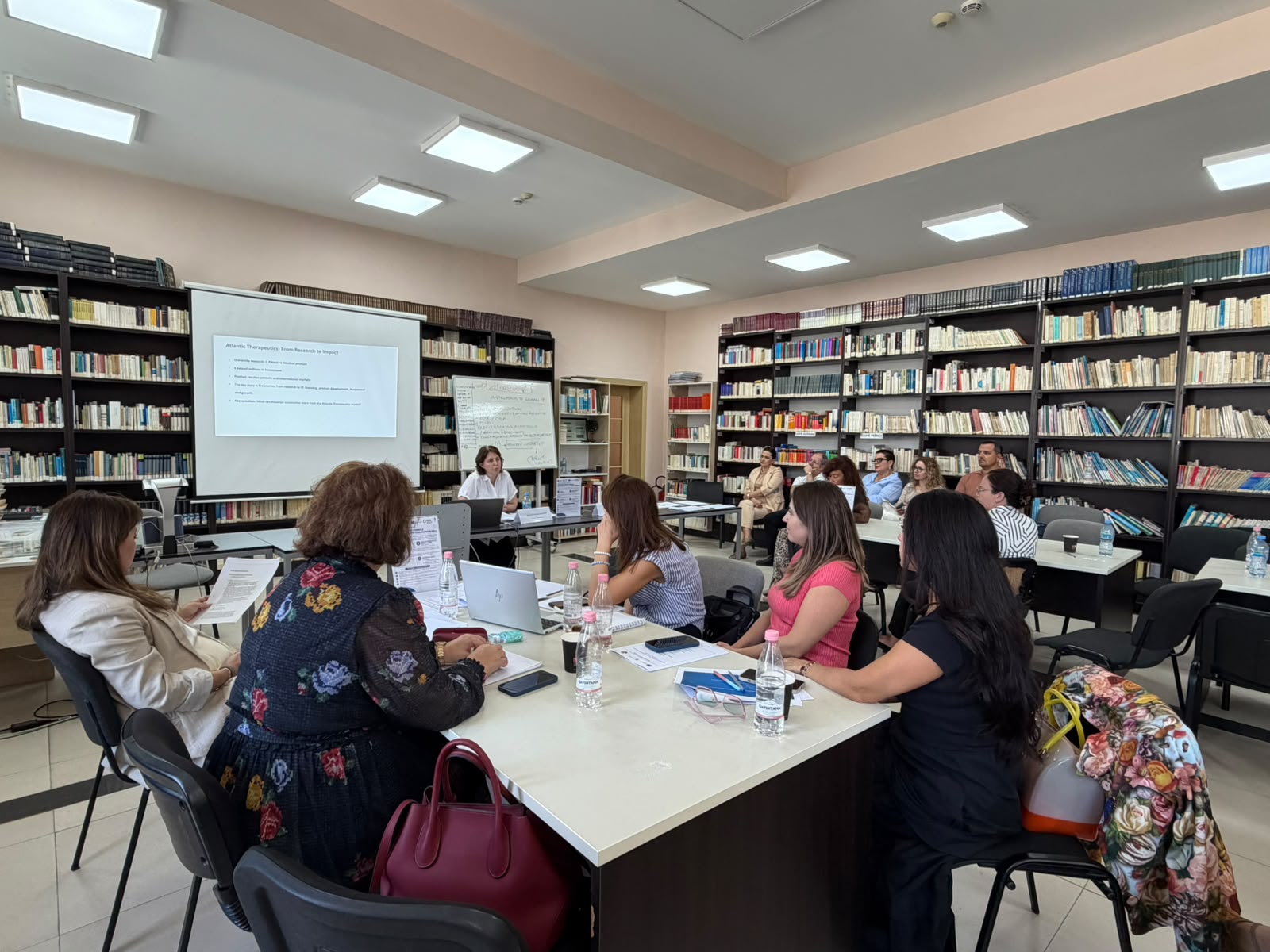
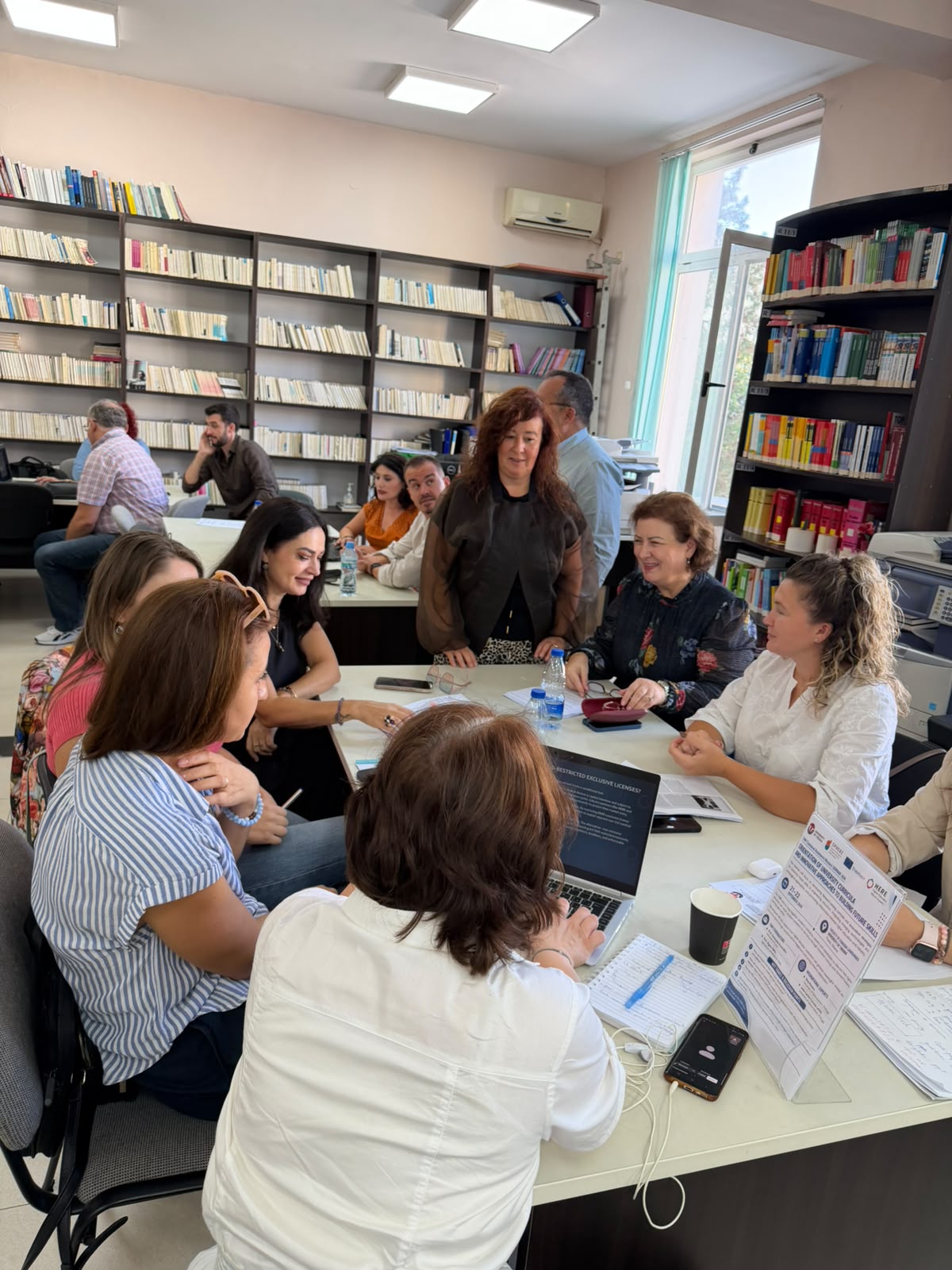
Participants examined practical cases involving patents, trade secrets, confidentiality agreements, the transfer of research materials and the management of results from joint projects. These case studies illustrated the role of patents in protecting a product, as well as their potential impact on the market and the further development of innovation. The seminar combined presentations with group work, case study analysis and discussion among participants.
Drawing on their extensive academic and professional experience, the experts brought international perspectives, specialised knowledge and practical examples to the seminar. Their contributions enriched the discussions and gave participants valuable insights into intellectual property protection, knowledge transfer and stronger cooperation between universities and businesses.
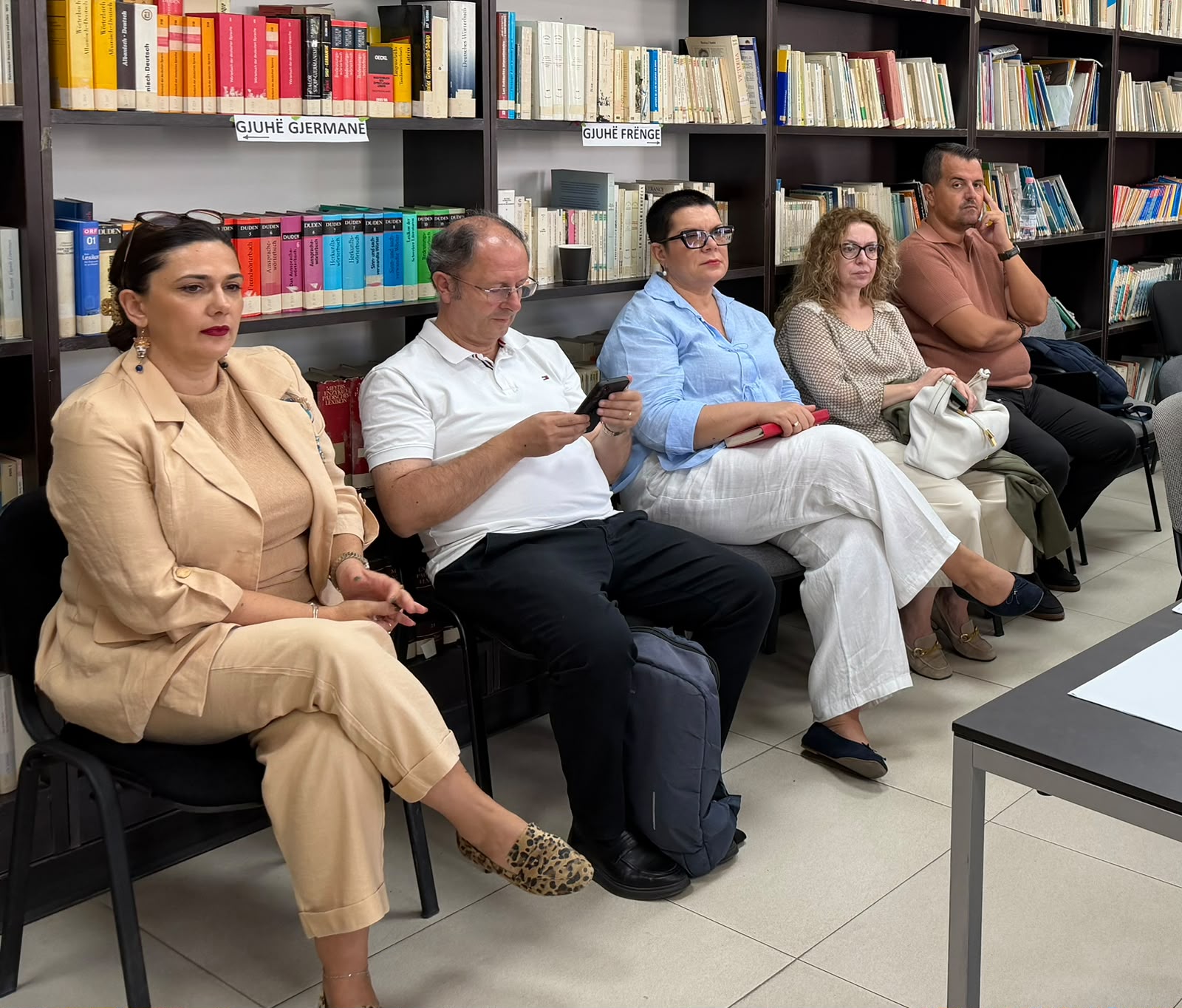
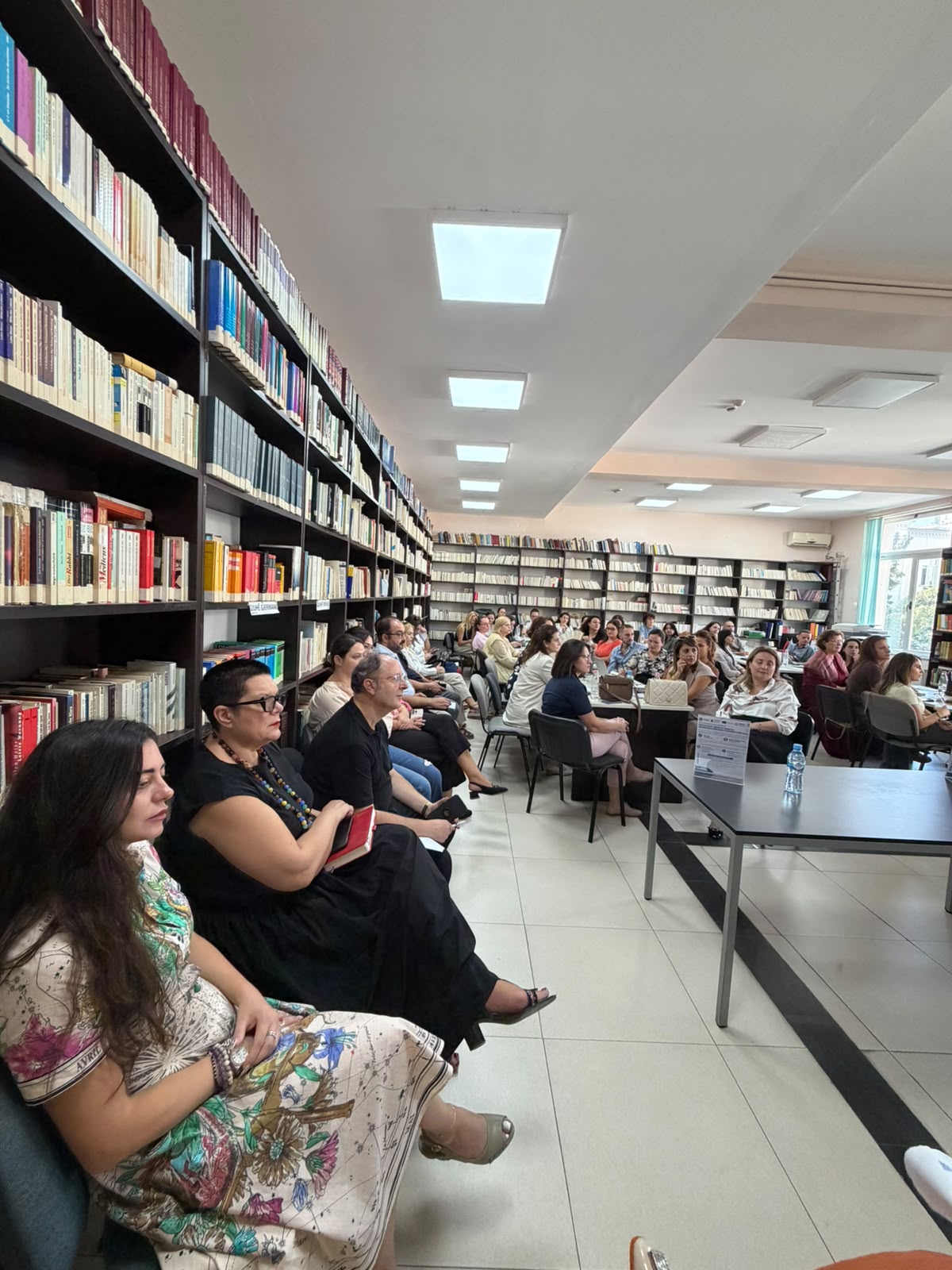
Special thanks also go to the representatives of public and private universities, participating institutions and everyone who attended for their interest, contributions and active engagement throughout the event.
The seminar provided a valuable opportunity to exchange experiences on aligning university curricula with future skills, protecting research results and strengthening cooperation among universities, public institutions and the business sector.